Varroa mite infestations weaken honey bee colonies by feeding on developing bees and spreading harmful viruses. As mite levels increase, colonies become stressed, honey production drops and hive survival rates decline. Early monitoring and treatment are critical to maintaining healthy and productive hives. For treatment options and monitoring tools, explore our Varroa Treatments range.
Key Takeaways
-
Varroa mites weaken both adult bees and developing brood
-
Infestations reduce colony strength and honey production
-
Mites spread viruses that damage bee health
-
Early detection improves treatment success
-
Strong hive management helps reduce long-term colony stress
What Is Varroa Mite?
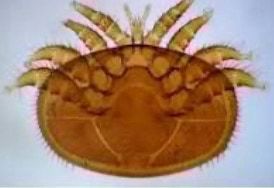
Varroa destructor is a parasitic mite that attacks honey bees. The mites reproduce inside capped brood cells and feed on developing bees before attaching to adult bees throughout the hive.
Because mites reproduce rapidly, infestations can escalate quickly if left unmanaged.
Varroa is now considered one of the biggest threats facing beekeepers worldwide, including in Australia.
How Varroa Weakens Honey Bee Colonies
Varroa mites feed on bees during critical stages of development. This weakens the bees before they even emerge from brood cells.
Affected colonies often experience:
-
Reduced bee population
-
Poor brood development
-
Shortened worker bee lifespan
-
Lower resistance to disease
-
Increased colony stress
As the infestation grows, the colony struggles to maintain normal hive functions.
The Link Between Varroa and Honey Production
Healthy colonies require strong worker populations to gather nectar and produce honey.
When varroa weakens worker bees:
-
Fewer bees are available for foraging
-
Nectar collection declines
-
Honey stores decrease
-
Colony productivity slows down
Even moderate infestations can impact the colony’s ability to take advantage of strong flowering seasons.
For many beekeepers, reduced honey yield is one of the first noticeable signs of an unmanaged varroa problem.
Viruses Spread by Varroa Mites
One of the most damaging effects of varroa is its ability to spread viruses between bees.
Common problems linked to varroa include:
-
Deformed Wing Virus (DWV)
-
Weak or undersized bees
-
Reduced queen performance
-
Colony collapse during stressful seasons
The mites effectively weaken the immune system of the hive, making colonies more vulnerable overall.
Why Early Monitoring Matters
Varroa infestations often develop long before obvious symptoms appear.
By the time visible signs such as deformed wings or collapsing populations are noticed, mite levels may already be dangerously high.
This is why regular monitoring methods such as alcohol wash and sugar shake testing are essential.
Many beekeepers combine regular testing with integrated management strategies using equipment from our Beekeeping Supplies range.
Seasonal Stress and Colony Decline
Varroa pressure often becomes more severe during periods when bee populations naturally fluctuate.
Late summer and autumn can be particularly dangerous because:
-
Bee numbers begin declining
-
Mite reproduction continues
-
Winter bees may emerge weakened
Colonies entering winter with high mite loads are at greater risk of collapse before spring.
This makes seasonal planning and timely treatment especially important for Australian beekeepers.
How Beekeepers Can Reduce Varroa Impact
Managing varroa requires a proactive approach rather than reacting only when problems appear.
Key strategies include:
-
Regular mite monitoring
-
Rotating treatment types
-
Maintaining strong queens
-
Managing brood health
-
Using integrated pest management methods
Drone brood management can also help reduce mite reproduction. Support equipment can be found in our Frames, Foundation and Spinners collection.
Learning Proper Varroa Management
Many newer beekeepers underestimate how quickly varroa populations can increase inside a hive.
Learning proper monitoring and treatment timing can make a significant difference to long-term colony survival and honey yields.
If you are new to hive management, our Beekeeper Mentoring program provides practical support for Australian beekeepers.
Final Thoughts
Varroa mites affect far more than individual bees. They weaken entire colonies, reduce honey production and increase disease pressure throughout the hive.
Regular monitoring, strong hive management and early intervention remain the best ways to protect colony health and maintain productive hives over the long term.
Support Your Hive Health
Browse our full range of hive tools, monitoring products and treatment options in the shop to help keep your colonies healthy and productive.