
https://www.tbbyard.com.au/shop/category/beekeeping-supplies/frames-foundation-jars--spinners/11812How to Choose the Right Honey Spinner for Your Beekeeping Setup
The Basin Backyard – Beekeeping Guides & Know‑How
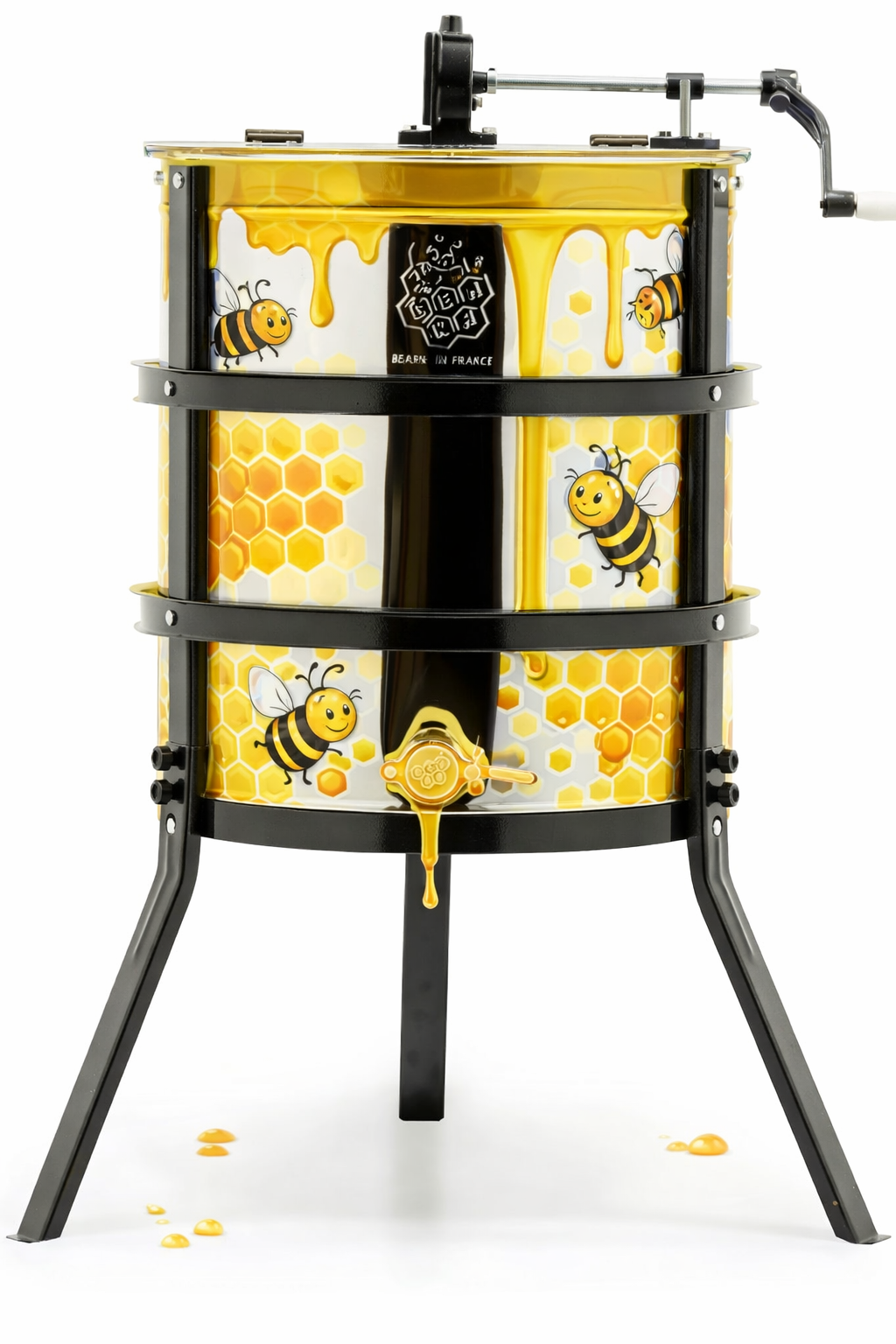
Harvesting honey is one of the most rewarding moments in beekeeping — that first pour of golden, fragrant honey makes all the hard work worthwhile. But the quality of your harvest (and how easy the process feels) depends heavily on one essential piece of equipment: your honey spinner, also known as a honey extractor.
Whether you’re a backyard beekeeper in The Basin or running a growing apiary across the foothills, choosing the right spinner can save you time, protect your frames, and improve your overall honey yield. Here’s how to pick the perfect one for your needs.
1. Start With Your Hive Size and Harvest Volume
Your spinner should match the scale of your beekeeping.
-
1–2 hives: A small manual spinner is usually enough. It’s affordable, compact, and perfect for hobbyists.
-
3–10 hives: A larger manual or entry‑level electric spinner saves time and reduces fatigue.
-
10+ hives: Electric all the way. Faster extraction, smoother workflow, and far less physical effort.
If you’re planning to expand your apiary, it’s often worth sizing up.
2. Radial vs Tangential – What’s the Difference?
Understanding the extraction style helps you choose the right design.
Radial Extractors
Frames sit like spokes on a wheel.
-
Extracts both sides at once
-
Faster and more efficient
-
Ideal for beekeepers with multiple hives
Tangential Extractors
Frames are spun one side at a time.
-
More affordable
-
Great for thick honey or stubborn comb
-
Perfect for hobbyists or small harvests
If you want speed and convenience, radial is the winner. If you want simplicity and budget‑friendliness, tangential works beautifully.
3. Manual or Electric?
Both have their place.
Manual Spinners
-
Quiet
-
No power needed
-
Great for beginners
-
Lower cost
Electric Spinners
-
Fast and effortless
-
Consistent speed
-
Ideal for larger harvests
-
Saves your shoulders during peak season
If you’re extracting more than a few supers at a time, electric quickly becomes worth the investment.
https://www.tbbyard.com.au/shop/category/beekeeping-supplies/frames-foundation-jars--spinners/11812
4. Stainless Steel vs Plastic
Material matters — especially for food safety and longevity.
Stainless Steel
-
Durable
-
Easy to clean
-
Professional finish
-
Long‑term investment
Food‑Grade Plastic
-
Lightweight
-
Budget‑friendly
-
Good for small‑scale keepers
For The Basin Backyard’s climate — warm summers, cool winters — stainless steel holds up best over time.
5. Frame Compatibility
Make sure your spinner fits the frames you use:
-
Full depth
-
WSP
-
Ideal
-
Flow frames (some spinners require adaptors)
A mismatch here can turn extraction day into a headache, so double‑check before buying.
6. Cleaning and Maintenance
A good spinner should be easy to wash down after a long extraction session. Look for:
-
Smooth internal surfaces
-
Removable baskets
-
A sturdy honey gate
-
Stable legs or mounting points
The easier it is to clean, the more you’ll enjoy using it.
7. Think About Your Future Beekeeping Goals
Are you planning to stay small and local? Or dreaming of expanding your apiary and selling honey at markets?
Choosing a spinner that grows with you is often the smartest long‑term move.
Final Thoughts
The right honey spinner makes extraction smoother, faster, and far more enjoyable. At The Basin Backyard, we help beekeepers choose equipment that suits their hive numbers, honey flow, and long‑term goals — whether you’re just starting out or levelling up your setup.